Hosting a retreat can be one of the most rewarding experiences for a teacher or facilitator. It allows you to deepen relationships with your community, create meaningful transformation, and bring your work to life in a focused environment.
But even the most beautiful retreat won’t fill itself.
At Northern Edge Algonquin, we see retreat planners approach marketing in many different ways — and over the years we’ve noticed clear patterns in what helps retreats succeed.
Our expertise is in local 4–5 day retreats in the $1,000–$2,000 range, not international luxury travel experiences. That means the marketing approach of our partners focuses less on exotic destinations and more on community, trust, and connection.
Here are 12 practical steps to help you share your retreat and fill your spaces:
1. Start Marketing Early (Earlier Than You Think)
One of the biggest challenges retreat planners face is starting their marketing too late.
Ideally, you should begin talking about your retreat 6–8 months in advance.
Many facilitators book retreat dates with us close to a year ahead, which gives plenty of time to build awareness and interest.
While some retreats can fill within 3 months — especially if you have a strong community — that timeline leaves very little room if registrations start slowly.
A typical timeline might look like this:
| Time Before Retreat | Action |
| 8 months | announce retreat and build interest |
| 6 months | host an “info night” and open registration |
| 4 months | share stories, testimonials, and details |
| 2–3 months | regular reminders and personal invitations |
| 1–2 months | final push for registrations |
| <1 month | get a last-minute registration or two |
Most people need to hear about something several times before deciding to join, so giving yourself time really helps.
2. Personally Invite People
One of the most effective ways to fill a retreat is also the simplest.
Personally invite people you believe would benefit from the experience.
This might look like:
- sending a thoughtful email
- a direct message
- a quick phone call
- mentioning it after class
A message like this can go a long way:
“I’m hosting a retreat this fall and immediately thought of you. I think you’d really enjoy the group we’re gathering.”
People are much more likely to join when they feel personally welcomed and seen.
3. Mention Your Retreat Often
Research around communication and marketing suggests people typically need 7–15 touchpoints before they decide to buy something.
That means most people won’t register the first time they hear about your retreat.
Instead, aim to mention it often and in different places:
- at the end of every class or workshop you lead
- at the bottom of your email newsletters (maybe even add it to your email signature!)
- across your social media channels
- during community gatherings or events
Rather than repeating the same message each time, try different angles:
- what the retreat experience will feel like
- highlights of the location
- specific activities or practices
- stories from past retreats
- testimonials from participants
Each mention helps people become more familiar and comfortable with the idea.
4. Stand Tall in Your Pricing
Many retreat planners feel uneasy promoting something that costs $1,000–$2,000.
But retreats combine many elements:
- programming and teaching
- accommodation
- meals
- facilities
- a dedicated space for transformation and rest
If you’ve priced your retreat thoughtfully, stand confidently in its value.
Rather than apologizing for the price or immediately offering discounts, focus on helping people understand:
- what they will experience
- what they will gain
- why the retreat matters
When you feel confident about the value of the retreat, others can feel that too.
5. Offer Early Registration Incentives (Not Just Discounts)
Early bird discounts are common, but they aren’t always necessary.
A $100 discount on a $1,500 retreat might not change someone’s decision — but it does reduce your overall income.
Instead, consider offering meaningful perks for early registration, such as:
- a free virtual 1:1 session before the retreat
- a commemorative retreat hoodie or t-shirt
- early access to retreat materials
- first choice of cabins or room options
- priority access to limited spaces
At Northern Edge, early registrants often receive first choice of cabins, which naturally rewards early commitment without lowering your price.
6. Build a “Hot List” Before Registration Opens
Many facilitators find success by building interest before registration officially opens.
You can invite people to join an interest list or “hot list.”
Then when registration opens, those people get first access to reserve their spots.
Some retreat planners combine this with an online information session or webinar, where participants can ask questions and register right away.
This approach can help create early momentum.
7. Tell Stories, Not Just Details
Lists of activities are helpful — but stories are what truly capture people’s imagination.
Instead of only describing the schedule, try sharing stories such as:
- your inspiration for the retreat
- meaningful moments from past retreats
- what participants often experience emotionally or personally
Stories help people imagine themselves being part of the retreat. You can tell stories via blogging, social media, podcasts, videos, and more – which leads us to:
8. Collaborate With Communities and Partners
Partnerships can greatly expand your reach.
Consider connecting with:
- yoga studios
- wellness clinics
- therapists or coaches
- outdoor clubs
- community groups
Some ways to collaborate include:
- guest teaching a class
- cross-promoting each other’s offerings
- writing guest blog posts
- appearing on local podcasts
We’re also happy to feature guest blog posts on our Edge Insider blog & enews if you’d like to share your retreat story or theme.
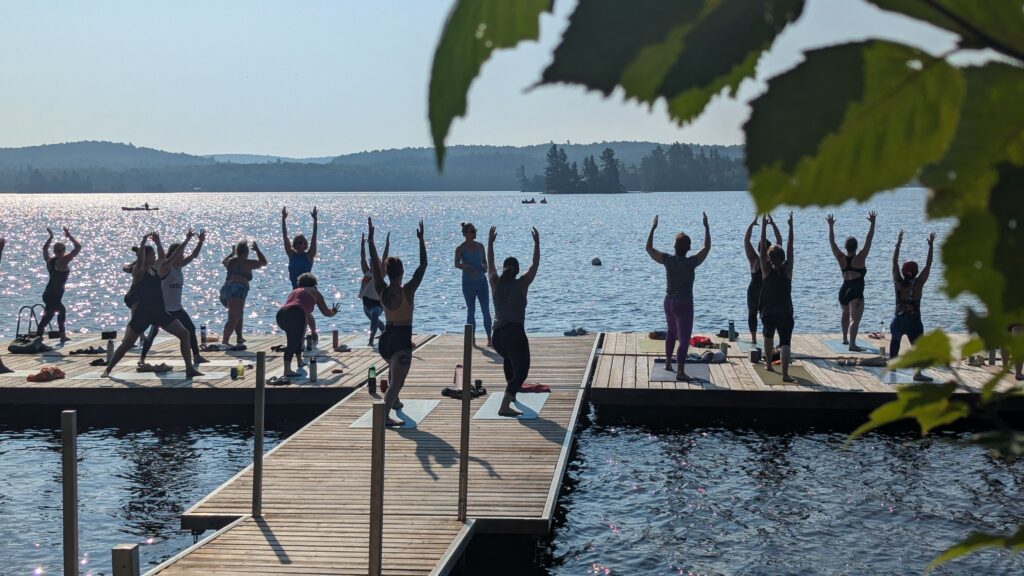
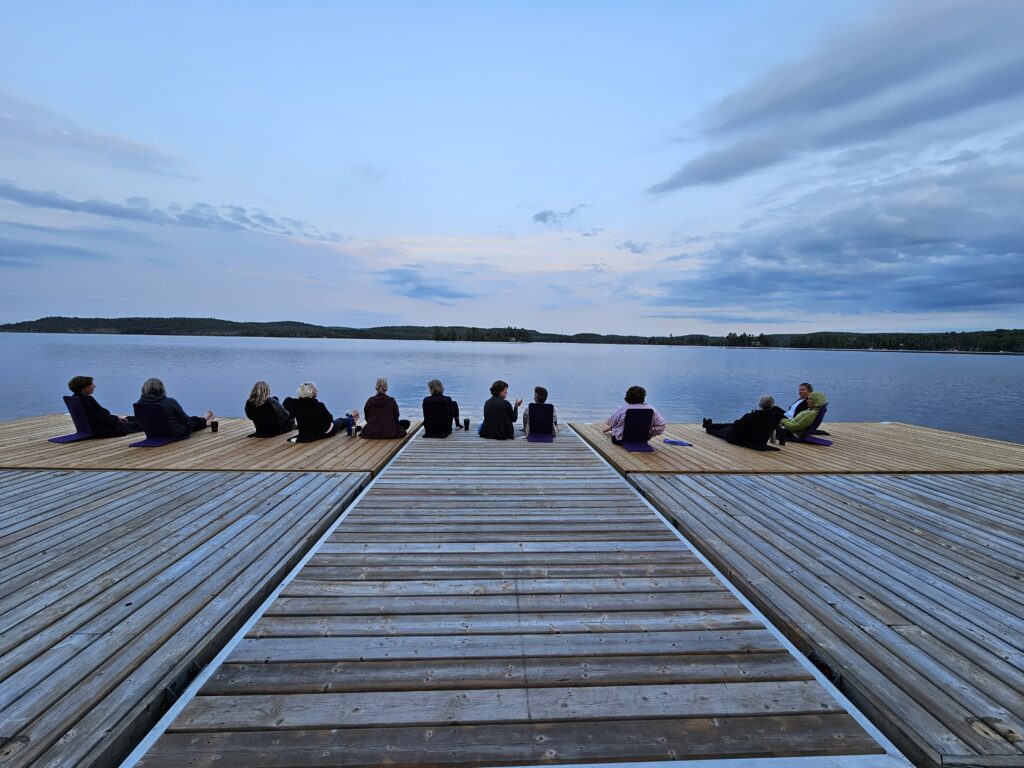
9. Use Authentic Images
Photos help people picture themselves at the retreat.
Images that tend to resonate most include:
- people connecting with each other
- nature and landscape
- shared meals
- quiet moments of reflection
Northern Edge provides a library of retreat images that partners are welcome to use when promoting their retreats.
10. Use Free Online Tools
You don’t need a large marketing budget to reach people.
Some free tools that can be helpful include:
Facebook Events
Create a Facebook Event and add Northern Edge as a co-host so the event appears on both pages.
Retreat Facebook Groups
Groups like these can help you connect with people actively looking for retreats:
Participate in discussions and share your retreat when it’s relevant. (Relevancy: If someone is asking a question about retreats in Italy, please don’t take up space talking about your retreat in Canada. These comments sections get really busy.)
11. Consider Retreat Marketplaces
Online retreat marketplaces can sometimes help fill remaining spaces.
Some examples:
These platforms often charge 20% or more commission, so they work best when used thoughtfully.
A common approach is to allow the platform to collect their commission as a deposit, then direct participants to complete the full registration through your venue or booking system.
Northern Edge also offers retreat listings to help facilitators reach our community.
12. Try Local Print Marketing
Simple offline promotion can still be surprisingly effective.
Postcards or rack cards printed through tools like Canva can be inexpensive and easy to distribute. Flyers are an even more affordable option.
Places to consider include:
- yoga studios
- cafés
- wellness clinics
- community bulletin boards
- coworking spaces
Soon we’ll be offering a template that retreat planners can copy and customize for this purpose.
Know When to Stop Marketing
Not every retreat sells successfully — and that’s okay.
There are many factors that can affect registrations, including pricing, timing, competing events, or simply how visible the retreat has been.
Based on a minimum group size of 10 participants, here are some rough benchmarks we often see:
Two months before the retreat
If you have zero registrations, it becomes unlikely that you’ll reach ten participants in the final month.
Six weeks before the retreat
If you have five or fewer registrations, consider whether you have people seriously considering joining.
This is often the point to decide whether to:
- make a focused final effort
- or consider canceling.
Four weeks before the retreat
- 7–8 registrations: you may decide to run the retreat and cover the remaining spaces if needed.
- 6 or fewer registrations: cancellation becomes more likely.
Canceling a retreat is never easy. But in many cases, canceling earlier rather than later helps preserve trust with your community.
If you continue promoting aggressively right up until the last minute and then cancel, participants who registered late may feel disappointed or uncertain about future retreats.
Canceling earlier allows you to:
- communicate clearly with your community
- refund participants quickly
- give people time to adjust their plans
Protecting the trust and goodwill of your community is often more valuable than pushing a retreat that ultimately won’t happen.
Final Thoughts
Retreat marketing doesn’t need to be complicated.
The most successful retreat planners simply:
- start early
- talk about their retreat often
- personally invite the right people
- communicate the value of the experience
When those pieces come together, filling a retreat becomes much easier.
Your Yoga & Wellness Retreat Planning Guide is Here!
Explore the ways we can grow and learn together, sharing advice and stories about developing facilitating, marketing, and building retreats and wellness communities.
A copy of our Yoga & Wellness Retreat Planning Guide is on its way to your inbox.